Windows decide more about how a home feels than almost anything else: how warm or cool a room stays, how bright it is at breakfast, how much of the outdoors you get to see. They are also one of the larger investments in a remodel. This is our guide to all about windows, from choosing windows for an eco-friendly home to placing them for natural light and picking window treatments that work as hard as the glass does.
Start by reading the label
Learning all about windows starts with a small sticker most people peel off without reading.
In the United States, many windows carry a label from the National Fenestration Rating Council (NFRC). It lists a few numbers that let you compare windows across brands. These are the ones that matter most for most homeowners:
| Rating | What it measures | What to look for |
|---|---|---|
| U-factor | How quickly heat passes through the whole window | Lower is better, especially in cold climates |
| Solar heat gain coefficient (SHGC) | How much solar heat comes through | Lower in hot, sunny climates; can be higher in cold climates where solar warmth helps |
| Visible transmittance (VT) | How much daylight comes through | Higher means brighter rooms |
| Air leakage | How much air sneaks through the window assembly | Lower is better |
ENERGY STAR also certifies windows by climate zone, which is a useful shortcut. Look up the requirements for your zone on the ENERGY STAR site rather than relying on a general rule, because the targets differ between, say, Minnesota and Arizona.
Choosing windows for an eco-friendly home
Glass
- Double-pane windows with an insulating gas fill are the standard for most new and replacement windows today.
- Triple-pane windows add another layer of insulation and sound reduction. They make the most sense in cold climates or noisy locations.
- Low-E coatings are thin, nearly invisible metallic layers that control heat transfer. Different coatings are tuned for different climates, so ask which one a manufacturer recommends for yours.
Frames
| Frame | Strengths | Considerations |
|---|---|---|
| Vinyl | Affordable, low maintenance, good insulation | Fewer color options; quality varies widely |
| Fiberglass | Strong, stable in temperature swings, insulates well | Usually costs more than vinyl |
| Wood | Warm look, good insulation | Needs upkeep, especially in harsh sun or wet climates |
| Wood with aluminum or vinyl cladding | Wood inside, weather protection outside | Typically a premium option |
| Aluminum | Slim profiles, durable | Conducts heat; look for thermal breaks |
Installation
A high-rated window installed poorly will leak air and water. Ask installers how they flash and seal openings, whether they insulate the gap between frame and wall, and what warranty covers labor. Get more than one quote, and check whether your utility or local government offers rebates for efficient windows.
Placing windows for natural light
If you are building, adding on or remodeling, the direction a window faces matters as much as its size. In the Northern Hemisphere:
- North-facing windows give soft, even light all day with little direct sun. Artists and photographers love it for this reason.
- South-facing windows get the most sun overall. A roof overhang sized correctly can block high summer sun while letting in lower winter sun.
- East-facing windows bring bright morning light, which is lovely in a kitchen or bedroom.
- West-facing windows bring strong, hot afternoon light. They need the most shading, especially in the Southwest.
Windows placed higher on a wall push light deeper into a room. Windows on two sides of a room give more balanced light and cross-ventilation. And a window at the end of a hallway can make the whole space feel larger.
Natural light, as photographers see it
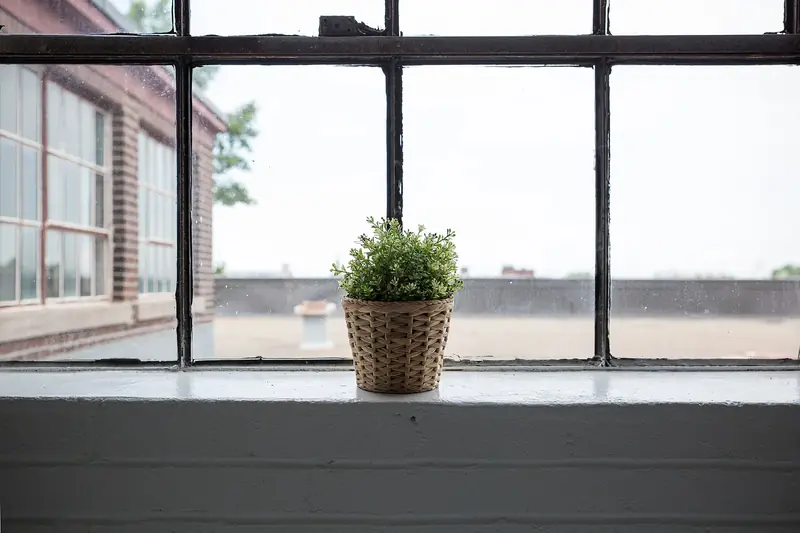
As people who think about light for a living, we notice how much a window shapes a photo. The same principle that makes a north-facing window lovely for portraits makes it lovely for living: large, indirect light sources create soft shadows and flattering skin tones. If you want to take better photos of your family at home, turn people so the window is beside them rather than behind them, and shoot in the morning or late afternoon when the light is warmer. Our golden hour photography guide goes deeper on reading light, indoors and out.
Window treatments that actually work
Treatments are where you can fine-tune light and efficiency without replacing windows.
For insulation
Cellular or honeycomb shades trap air in their pockets and are a popular choice for adding insulation. Lined drapes that hang close to the wall and reach the floor also help, especially at night in winter.
For heat and glare
Blocking sun outside the glass is more effective than blocking it inside, because the heat never enters the house. Awnings, exterior solar screens, deep overhangs, pergolas and well-placed trees all help. Inside, solar shades cut glare while preserving the view.
For light and privacy
Top-down, bottom-up shades let light in from above while keeping the lower half of the window covered. Sheer curtains soften harsh light and add privacy during the day. Frosted window film is a renter-friendly fix for bathroom and street-facing windows.
A quick window checklist
- Note which way each window in your home faces
- Look for drafts, condensation between panes or hard-to-open sashes
- Compare NFRC labels when shopping, not just brand names
- Check ENERGY STAR criteria for your climate zone
- Ask about rebates from your utility or local programs
- Get at least two installation quotes with details on flashing and sealing
- Plan shading for west- and south-facing glass
- Choose treatments for each room's needs: light, privacy or insulation
All about windows: when replacement is not the answer
Replacing every window is expensive, and older windows can sometimes be improved instead. Weatherstripping, caulking, new sash cords, storm windows and good treatments can make a real difference for much less. For historic homes, local preservation rules may also affect what you can change. A home energy audit can help you decide whether windows or something else, like attic insulation, should come first.
Once your windows are sorted, the room around them is the fun part. Pair good daylight with well-placed fixtures using our guide on how to hang light fixtures, or fill the brightest wall with a collection of wall objects. You will find more home ideas in our lifestyle journal.
Questions, answered
What do U-factor and SHGC mean on a window label?
U-factor measures how well a window keeps heat from escaping; lower is better. Solar heat gain coefficient (SHGC) measures how much of the sun's heat comes through; in hot climates a lower number is usually preferred.
Are triple-pane windows worth it?
In very cold climates they can noticeably improve comfort and efficiency. In mild or hot climates, a good double-pane window with the right low-E coating often delivers most of the benefit for less money.
Which window treatments help most with energy efficiency?
Cellular (honeycomb) shades are a common choice for insulating, and exterior shading such as awnings, deep overhangs or exterior screens is especially effective at blocking summer heat before it reaches the glass.
Which direction should windows face for the best natural light?
In the Northern Hemisphere, north light is soft and even, south light is strong and easy to shade with overhangs, and east and west windows get low, intense sun in the morning and afternoon that can cause glare and heat.
First published in Aug 2018 and fully rewritten and updated for 2026. Details like permits, fees and hours change — confirm them with the venue or land manager before you go.