Labels have a reputation as something only extremely organized people bother with, but they are really a kindness to everyone else in the house. Good home organization labels answer the question "where does this go?" without anyone having to ask. Bad ones are too specific, fall off, or describe a system nobody actually follows. This guide covers what to label, which kinds of labels hold up, and, because the word cuts both ways, a gentle note on how the labels we give people can be helpful or hurtful too.
Why labels work
An organizing system usually fails not on the day you set it up but three weeks later, when someone puts the rice in the wrong bin. Labels reduce the decisions people have to make. They let a spouse, a roommate, a babysitter or a visiting parent help without a tour. And they make it obvious when something does not belong.
The goal is not a picture-perfect pantry. It is a home where putting things away takes less thought than leaving them out.
Keep labels where eyes land
Placement matters as much as wording. Put labels at the front edge of a shelf or on the side of a bin that faces out, at roughly the height people actually look. In deep cabinets, label the shelf itself so the spot stays named even when the container is out on the counter. For drawers, a small label on the inside front edge is visible the moment the drawer opens and stays hidden when it is closed. Home organization labels that people have to hunt for tend to get ignored.
Label the category, not the item
The most common mistake is labeling too narrowly. A bin labeled "Granola Bars" becomes useless the week you buy crackers instead. A bin labeled "Snacks" keeps working.
- Too specific: "Penne," "Spaghetti," "Rotini"
- Better: "Pasta"
- Too specific: "Kids' winter gloves, size 6"
- Better: "Gloves and Hats"
Go more specific only where the distinction matters, such as "Gluten-Free" in a mixed household, or individual names on bins in a shared kids' closet.
Where home organization labels help most
The pantry
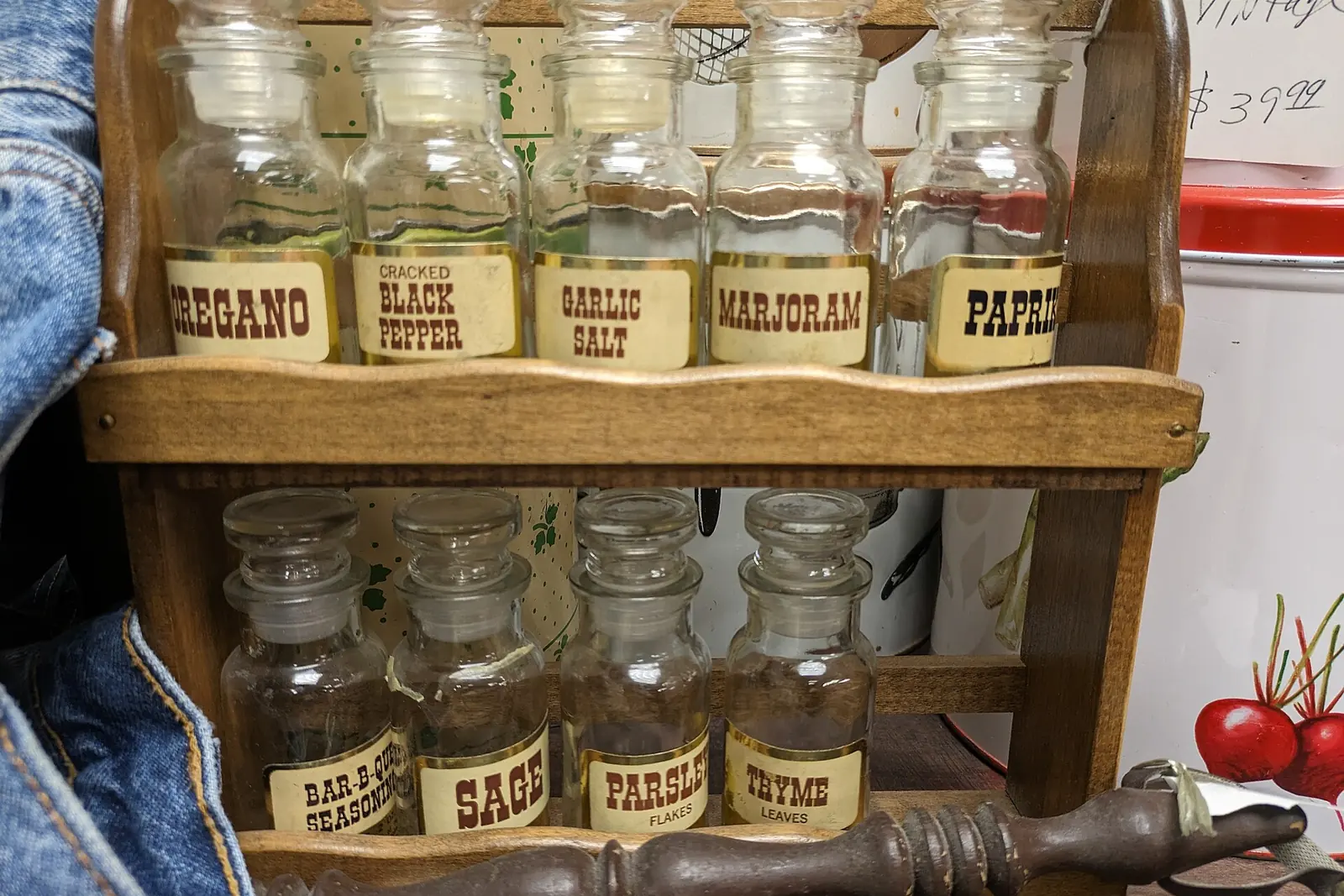
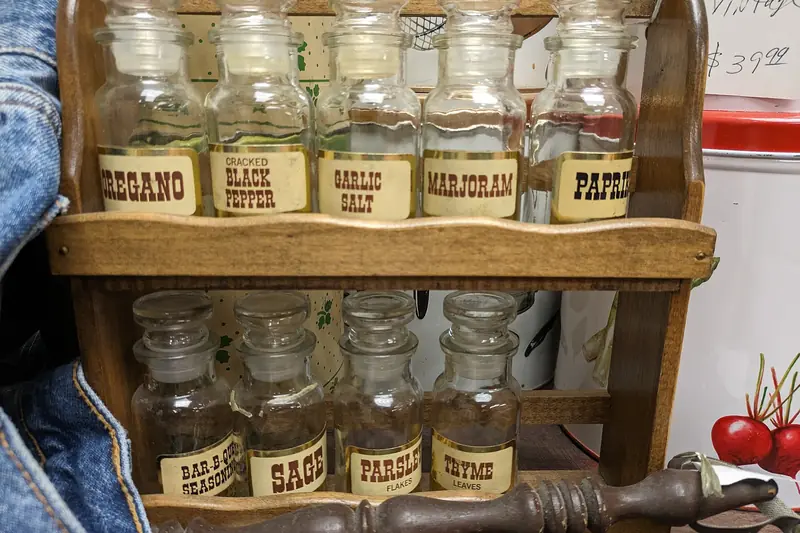
Decanting into matching jars looks lovely, but it only works if you know what is inside. Label jars on the front, and consider a second small label on the lid if the jar is stored low. For flours and sugars that look alike, labels are a must. Some people also add the purchase or expiration date on a small removable sticker on the bottom.
The linen closet
Label shelves by room or bed size: "Queen Sheets," "Guest Bath Towels," "Twin Sheets." Folding sheet sets inside one of their own pillowcases keeps each set together, and the shelf label tells you which stack to grab.
The garage and utility areas
Bins on high shelves are where labels earn their keep, because nobody wants to pull down six totes to find holiday lights. Label both ends of a tote so it reads no matter which way it is shelved. A short contents list taped inside the lid helps too.
Kids' rooms and play areas
For young children, pair words with pictures. A photo of blocks taped to the block bin teaches the word and makes cleanup something they can do on their own. Keep categories broad, such as "Cars," "Dolls," "Art," so they are easy to sort.
Choosing a label type
| Label type | Best for | Trade-offs |
|---|---|---|
| Label maker tape | Shelves, bins, file folders | Durable and clean; can look utilitarian |
| Printed vinyl decals | Jars and canisters with permanent contents | Polished look; hard to change |
| Chalkboard or wet-erase | Containers whose contents rotate | Flexible; can smudge with handling |
| Hang tags | Baskets, bins with handles | Easy to swap; can get pulled off by kids or pets |
| Clip-on label holders | Wire shelving, baskets | Reusable; insert cards can fade |
| Handwritten masking tape | Testing a new system | Cheap and temporary, which is the point |
A simple labeling plan
- Choose one space to start, ideally one the whole household uses
- Empty it and group items into broad categories
- Pick containers that fit the space and the categories
- Label with temporary tape and use the system for two weeks
- Adjust categories that are overflowing or always empty
- Upgrade to permanent labels where things have settled
- Walk everyone in the house through the new system
Labels look better when they match the room
Home organization labels do not have to look clinical. Choose one font and one color and use them throughout a space. Black on clear reads cleanly on glass; white on kraft paper feels warmer on baskets. In open storage, like an entry peg rail shelf with baskets, small tags blend in better than bold stickers. If you are reducing waste in the kitchen too, our guide to switching to cloth napkins instead of paper towels pairs well with a labeled linen drawer.
Be helpful, not hurtful: the labels we give people
Every family has a few labels that stick to people instead of jars. "The messy one." "The shy one." "The responsible one." "Our little artist." They usually start as affectionate shorthand, and they can be helpful when they name something a person is proud of. They can also quietly shape how someone sees themselves, especially a child who hears the same word year after year.
A few gentle ideas we try to keep in mind:
- Describe the moment, not the person. "Your room got messy this week" is something a child can fix. "You are so messy" sounds permanent.
- Let labels change. Just like a pantry bin that once held granola bars, people outgrow categories. Leave room for that.
- Notice effort, not only traits. "You worked hard on that drawing" encourages more than "you are the artist," which can make a sibling feel the role is taken.
- Watch the labels you use for yourself. "I am just not an organized person" is a label too. Organized is a habit, not a personality type.
The point of a good label, on a jar or in a conversation, is to make life easier for the people around it. When one stops doing that, it is fine to peel it off and write a new one.
For more ideas on making a home that works for everyone in it, browse our lifestyle journal.
Questions, answered
What should I label first when organizing my home?
Start with the spaces everyone in the household uses and where things get put back in the wrong place most often, usually the pantry, the linen closet and kids' toy storage.
What is the best type of label for pantry containers?
It depends on how often contents change. Printed or vinyl labels suit containers that always hold the same thing, while chalkboard, wet-erase or removable labels suit containers whose contents rotate.
How do I label for kids who cannot read yet?
Use a simple picture or photo of the item alongside the word. Kids learn the word over time, and the picture makes cleanup something they can do on their own.
Should I label every container?
Not necessarily. Label the categories that tend to drift or that other people need to find. Over-labeling can make a space feel busy and harder to change later.
First published in Aug 2018 and fully rewritten and updated for 2026. Details like permits, fees and hours change — confirm them with the venue or land manager before you go.