Golden hour photography has a reputation for being magic, and in a way it is: the sun drops low, shadows soften and lengthen, skin goes warm, and almost everyone looks like a better-rested version of themselves. But the magic runs on geometry, and once you understand that, you can predict it, plan around it and recover when clouds or mountains get in the way.
This guide is for couples scheduling engagement or wedding portraits, families planning an outdoor session, and newer photographers trying to stop guessing. If you want the times for your own date and city, the calculator below estimates sunset, golden hour and blue hour.
Golden hour calculator
Golden hour, sunset and blue hour times for any date.
What golden hour actually is
Golden hour is the stretch of time when the sun is low in the sky, roughly within six degrees of the horizon. Sunlight has to travel through more atmosphere at that angle, which scatters away much of the blue and leaves warmer tones. The low angle also means light comes from the side instead of straight down, so faces are lit evenly instead of getting dark eye sockets and a bright forehead.
That is why the "hour" is a loose name. The window depends on how quickly the sun is moving relative to the horizon at your location and season. Closer to the equator, the sun drops more steeply and the window is shorter. Farther north, especially in summer, it can stretch out considerably. Around the spring and fall equinoxes it tends to be shorter than at midsummer or midwinter.
The best time for outdoor photos (and why noon is hard)
If you only remember one thing: the best time for outdoor photos is usually the last 60 to 90 minutes before sunset, or the first hour after sunrise. Midday sun is not unusable, but it is harsh, overhead and unforgiving, and in the Southwest it is also physically miserable for half the year.
Here is a rough way to think about the light across a clear day:
| Time | Light | Good for |
|---|---|---|
| Blue hour before sunrise | Soft, cool, even | Moody portraits, city lights, quiet landscapes |
| Sunrise to about one hour after | Warm, low, directional | Portraits, empty trails, popular parks |
| Mid-morning to mid-afternoon | Bright, high, contrasty | Open shade, indoor sessions, architecture |
| About 90 minutes before sunset | Softening, warming | Starting a session, wide environmental shots |
| Final 30–45 minutes before sunset | Warm, glowing, backlit | The classic golden hour portrait |
| Blue hour after sunset | Cool, even, fading fast | Silhouettes, sparkler exits, cityscapes |
Terrain changes everything
Sunset tables assume a flat horizon. Real places are rarely flat. If you are photographing on the east side of a mountain range, in a canyon, or between downtown buildings, the sun disappears behind the obstruction well before the official sunset time. In El Paso, for example, neighborhoods tucked against the Franklin Mountains lose direct sun earlier than open desert to the east. In a canyon like Sabino near Tucson, the walls can put a trail into shade long before the sky changes color.
The fix is simple: scout the location at the same time of day, or use a sun-position app that lets you see where the sun will set relative to the terrain. If the sun is going to drop behind a ridge, plan your session earlier, or pick a spot facing open ground to the west.
Golden hour photography: three ways to use the light
Backlight
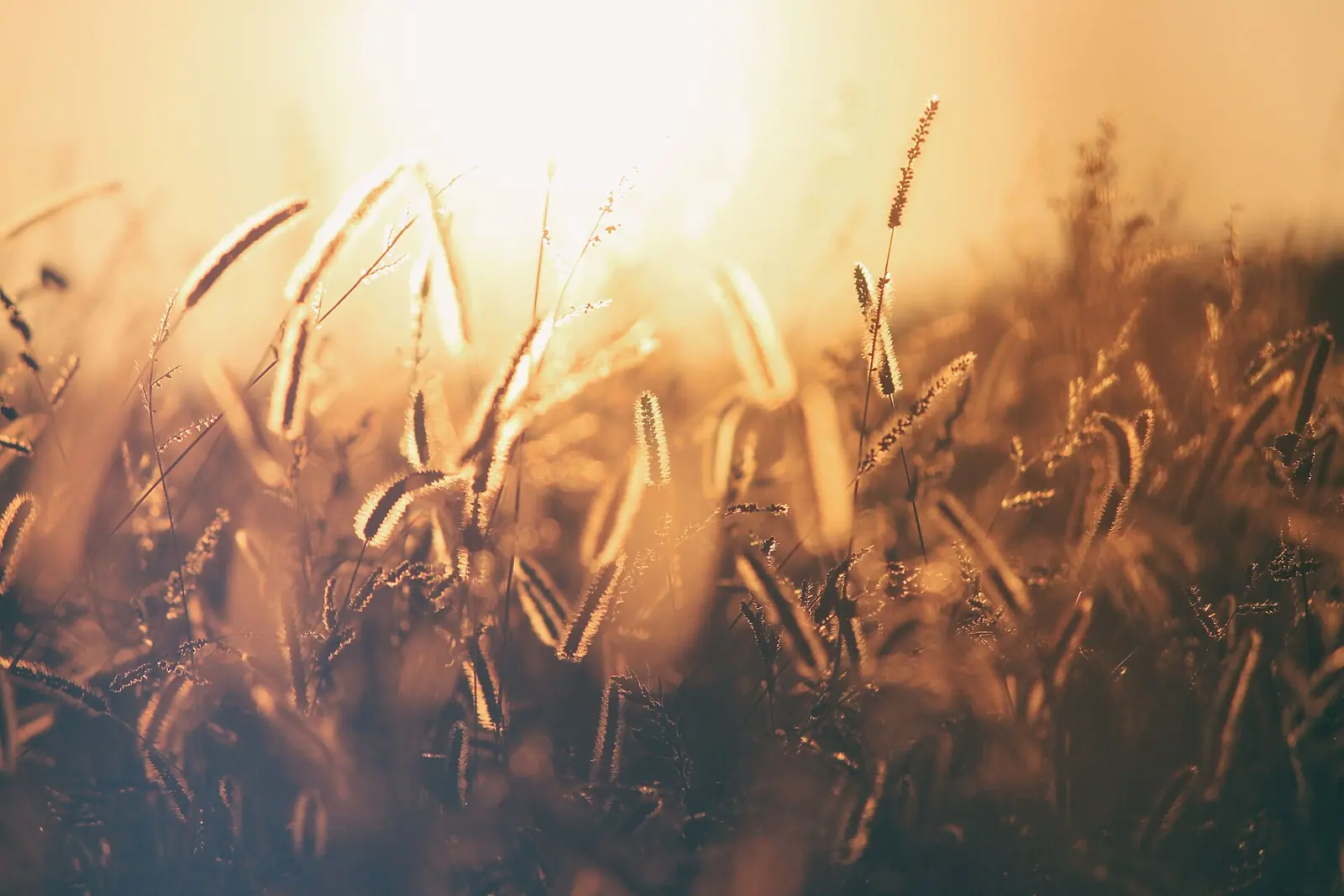
Put the sun behind your subjects. Hair gets a rim of light, the background glows, and nobody squints. Expose for faces, not the sky, and accept that the sky may brighten nearly to white. A little haze or lens flare is part of the look; if you want more contrast, shade the lens with your hand.
Side light
Turn your subjects so the sun hits them from the side. This brings out texture and shape and works beautifully for more dramatic portraits. It is less forgiving of uneven skin, so it suits couples and adults more than it suits, say, a squirmy toddler.
Front light
Facing directly into a low sun gives rich, saturated color and a clear view of the sky behind you. The catch is squinting. Have people close their eyes, then open them on a count of three, and shoot right as they do.
Blue hour: the underrated twin
Once the sun is below the horizon, many people pack up. That is a mistake. Blue hour, the period when the sun sits a few degrees below the horizon, gives soft, shadowless light and a deep blue or violet sky. It is wonderful for portraits with city lights, string lights or a reception venue glowing in the background, and it is the perfect time for a sparkler exit if your venue allows one. Our guide to unique wedding exits has more on timing a send-off.
Blue hour moves quickly. You may have 20 to 30 usable minutes, and the light falls off by the minute, so photographers typically raise ISO, open the aperture, and keep people still.
When golden hour does not show up
Weather does not read your schedule. Here is what tends to happen in different conditions:
- Thin, high clouds: often the best case. The sky lights up with color after sunset.
- Solid overcast: no golden glow, but even, flattering light all afternoon. Start earlier and finish earlier.
- Clouds on the western horizon only: the sun may vanish 20 minutes early, then peek out underneath. Wait it out.
- Wind and dust: common in desert spring. It can produce gorgeous hazy light, but bring hair ties and a lint roller.
- Monsoon storms: in the Southwest these can bring dramatic skies, but lightning is a real safety risk. Move indoors when you hear thunder.
Planning a session around the light
- Look up sunset for your exact date and location
- Check what is on the western horizon: mountains, trees, buildings
- Schedule the start about 60 minutes before sunset
- Do the "must-have" shots first, then chase the glow
- Bring a light layer: desert temperatures drop quickly after sunset
- Plan a blue hour shot if you are near city lights or a lit venue
- Confirm park closing times and any photography permit requirements
For wedding days, golden hour usually means slipping away from dinner for 15 minutes. Build it in when you plan your wedding photography timeline, and tell your coordinator so the toasts do not start without you. For engagement sessions, it means choosing the location with the light in mind; our roundup of El Paso engagement photo locations notes which spots face open western sky.
A note for photographers
Golden hour photography makes everyone look good, which is exactly why it is worth learning to work outside it. Practice finding open shade at noon, using a building as a reflector, and turning people so harsh sun becomes a hair light. When the real golden hour arrives, you will spend less energy fighting the conditions and more time watching the people in front of you.
Questions, answered
How long does golden hour last?
It depends on your latitude and the time of year. In much of the continental US it ranges from roughly 30 minutes to a little over an hour, and it tends to be shorter closer to the equator and around the equinoxes.
Is morning or evening golden hour better for photos?
The light quality is similar. Mornings are often calmer, cooler and less crowded at popular spots, while evenings are easier to schedule and usually more comfortable for the people being photographed.
What is the difference between golden hour and blue hour?
Golden hour happens while the sun is low above the horizon and gives warm, directional light. Blue hour happens after sunset or before sunrise, when the sun is below the horizon and the sky lights the scene with soft, cool, even light.
Can you take good photos on a cloudy day?
Yes. A thin, even cloud layer acts like a giant softbox and can be very flattering for portraits at any time of day. Heavy overcast just means less color in the sky and a shorter usable window in the evening.