Art is wonderful, but a wall covered only in frames can feel a little flat, like a gallery instead of a home. Wall objects add the thing frames often lack: texture, depth and a bit of story. A basket from a market trip, a stack of thrifted plates, a grandmother's quilt square. Below are our favorite things to hang on walls besides art, how to group them so they look intentional, and how to hang each type so it actually stays put.
Why wall objects work
Framed pieces are flat and rectangular. Objects bring curves, shadows and materials into the room: woven fiber, glazed ceramic, wood grain, metal. When light moves across a wall during the day, those surfaces change in a way prints don't. Objects also tend to be cheaper than art, easier to find second-hand, and more personal. A gallery wall of objects says something about the people who live there.
The trick is restraint and repetition. A random scatter of things looks like clutter. A considered grouping with a shared color, material or shape looks collected.
14 things to hang on walls besides art
Natural and woven
- Woven baskets and trays. The classic for a reason. Mix sizes and weaves but keep the tones related, such as all natural fiber, or natural with one darker accent.
- Dried botanicals. A bundle of dried palm, pampas or eucalyptus hung upside down, or a single large dried palm leaf in a desert-toned room.
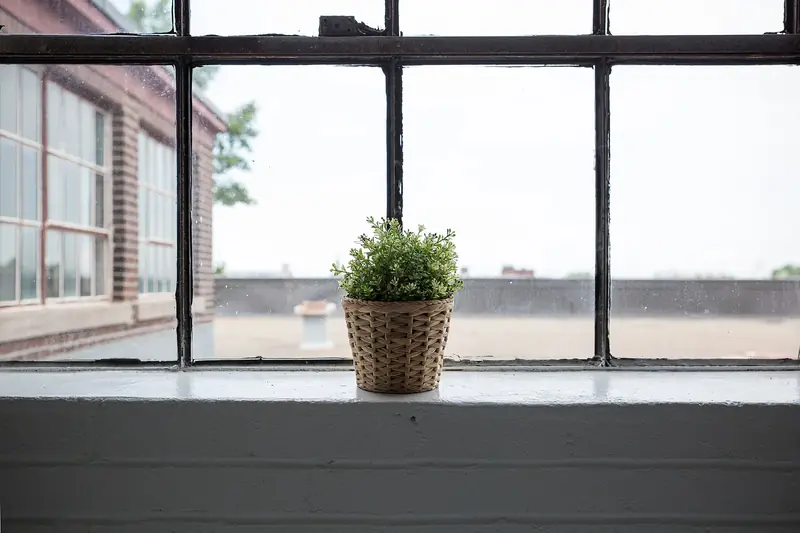
- Hanging planters. Wall-mounted planters with trailing plants such as pothos or string of pearls. Check the light first; most trailing plants want bright, indirect light.
- A single branch. A weathered piece of driftwood or mesquite on two small brackets can hold lightweight ornaments or simply stand alone.
Ceramic and glass
- Plates. Thrifted, inherited or souvenir plates hung with spring-style or adhesive disc plate hangers. A cluster of mismatched blue and white is timeless; a set of solid stoneware in one glaze is quieter.
- Mirrors. One oversized round mirror or a group of small vintage mirrors. Mirrors double the light in a room, which is especially useful in darker hallways.
- Wall vases. Small wall-mounted vessels that hold a few stems or air plants.
Textile
- Quilts and blankets. Hang a quilt from a wooden dowel or a quilt hanger. It softens sound in echoey rooms, too.
- Rugs and kilims. A small flat-weave rug becomes a tapestry-style focal point. Use a hanging strip sewn to the back rather than nails through the weave.
- Macrame and weavings. Handmade fiber pieces, ideally from a local maker.
Useful and found
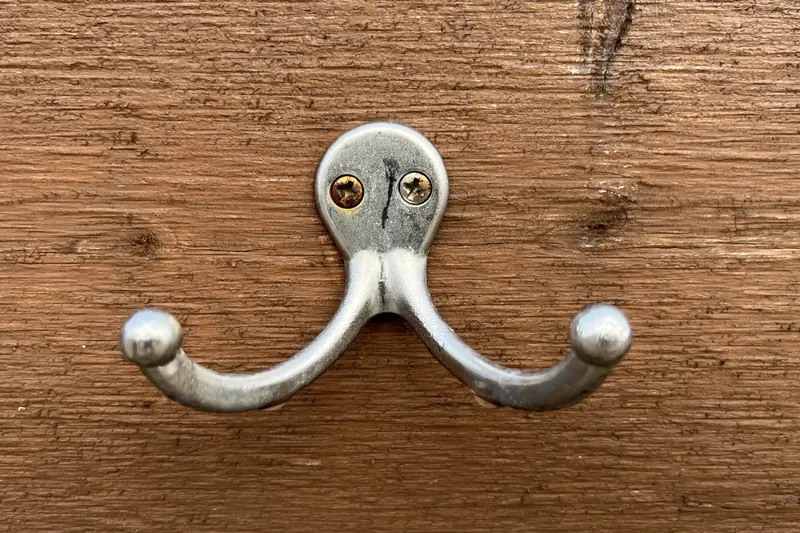
- Hats. Sun hats or a few favorite felt hats on simple hooks. Useful in an entry and pretty at the same time.
- Cutting boards and kitchen tools. Wooden boards in a kitchen, or vintage utensils grouped on a rail.
- Instruments. A guitar or ukulele on a wall hanger keeps it accessible and becomes decor.
- A peg rail. The flexible option: hang baskets, bags, a small mirror or seasonal greenery, and rearrange whenever you like. We built one for our entry; see the peg rail shelf post for the full build.
How to arrange a gallery wall of objects
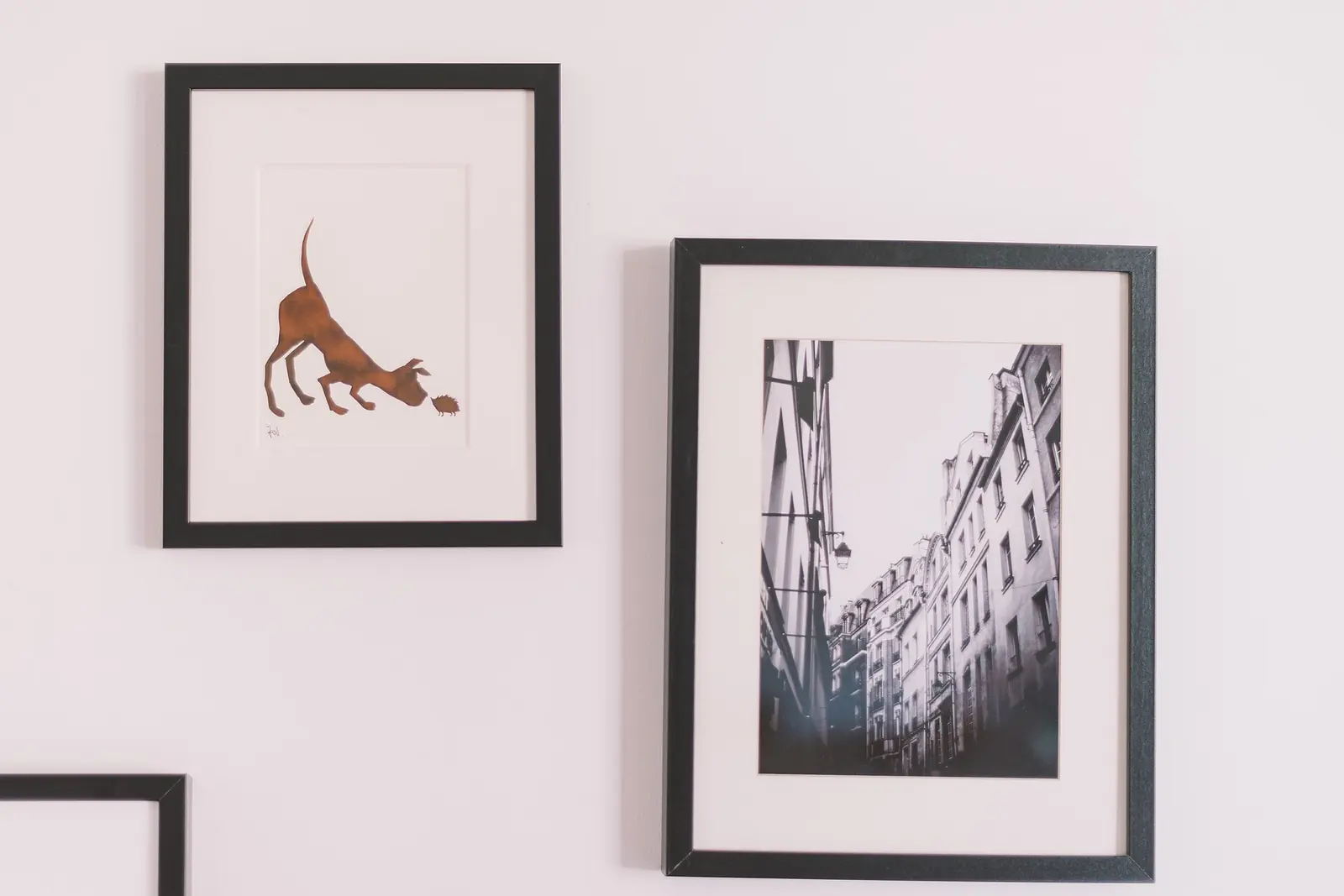
A gallery wall with objects follows the same principles as a frame wall, with a little extra forgiveness because irregular shapes hide imperfect spacing.
Pick a unifying thread
Choose one thing the pieces have in common: color (all warm neutrals), material (all wood and fiber), or shape (all round). With one strong thread, everything else can vary.
Lay it out on the floor first
Arrange the pieces on the floor in front of the wall, with the largest item placed first, slightly off-center. Build outward, balancing visual weight: a heavy dark basket on the left wants something with presence on the right. Take a phone photo from above so you can compare versions.
Use paper templates
Trace each object on kraft paper, cut it out, mark where the hanger sits, and tape the templates to the wall. Live with it for a day. Moving tape is easier than patching holes.
Watch the outer edge
The overall shape of the grouping matters more than the gaps inside it. Aim for a roughly rectangular or oval silhouette. Above a sofa or console, the grouping usually looks best at around two-thirds the width of the furniture.
| Placement | Rule of thumb |
|---|---|
| Center height (open wall) | About 57 to 60 inches from floor |
| Above furniture | 6 to 10 inches above the top edge |
| Spacing between pieces | 2 to 3 inches, kept consistent |
| Width above furniture | About two-thirds of the furniture width |

How to hang wall objects so they stay put
Each kind of object needs a slightly different approach. Getting this right is what separates a wall that looks good for a week from one that looks good for years.
- Baskets: A small nail or brad through the weave near the top rim, angled slightly upward. For heavier baskets, loop a bit of clear fishing line or twine through the back and hang it from a picture hook.
- Plates: Use plate hangers sized to the plate diameter, or adhesive disc hangers that you wet and press to the back. Let adhesive discs cure for the time listed on the package before hanging.
- Mirrors: Treat them as heavy, even small ones. Locate a stud or use anchors rated for well over the mirror's weight, and use two points of contact so they hang level and can't swing.
- Textiles: Sew a fabric sleeve or hook-and-loop strip along the top edge and hang it from a dowel or batten. Avoid nailing through the fabric itself.
- Planters: Account for the weight of wet soil and water. Use proper anchors or studs and a drip-catching liner.
- Choose a unifying color, material or shape
- Lay out the arrangement on the floor and photograph it
- Make paper templates and tape them up
- Find studs or choose anchors rated for each object's weight
- Hang the largest piece first, then work outward
- Step back, live with it and adjust
Keeping it fresh
One of the nicest things about wall objects is how easy they are to change. Swap dried botanicals with the seasons, rotate plates, add a wreath in December. If you already have a wall that feels finished, try moving one piece to a different room; it often makes both rooms feel new. And if you're working on lighting in the same space, our guide on how to hang light fixtures helps make sure everything on the wall is actually lit well in the evening.
Want more ideas for the rest of the house? Browse all of our home and lifestyle posts.
Questions, answered
How do I hang heavy objects like mirrors safely?
Find a stud with a stud finder and use a screw rated well above the object's weight, or use a drywall anchor rated for the load. Two hanging points are more stable than one, and heavy pieces should never rely on adhesive strips or a single small nail.
How far apart should items in a gallery wall be?
A gap of roughly 2 to 3 inches between pieces keeps a grouping looking intentional. Irregular objects like baskets can sit a little farther apart because their edges are softer, but keep the spacing consistent across the arrangement.
How high should I hang things on a wall?
A common guideline is to put the center of the arrangement around 57 to 60 inches from the floor, which is near average eye level. Above furniture, leave about 6 to 10 inches between the top of the furniture and the bottom of the lowest piece.
Will hanging objects damage a rental wall?
Small nail holes are usually easy to patch and are often considered normal wear, but check your lease. For light pieces, removable adhesive hooks rated for the weight are an option; for anything heavy, ask your landlord before drilling.
First published in Mar 2018 and fully rewritten and updated for 2026. Details like permits, fees and hours change — confirm them with the venue or land manager before you go.