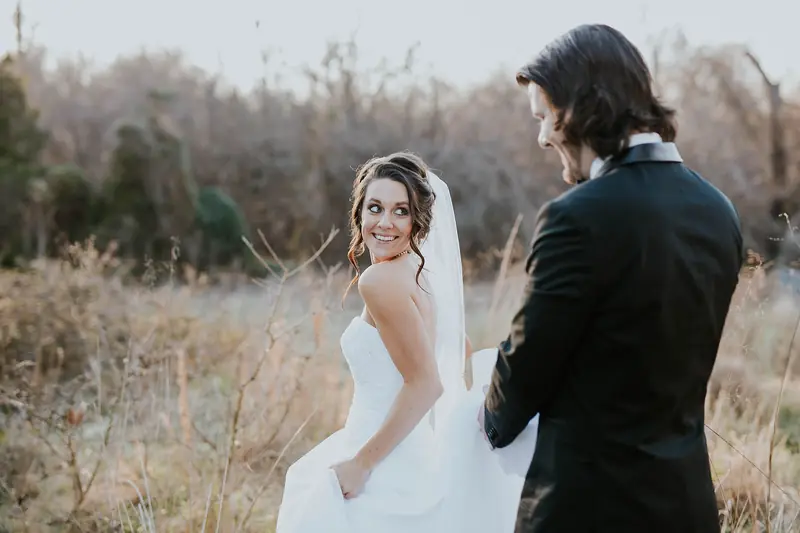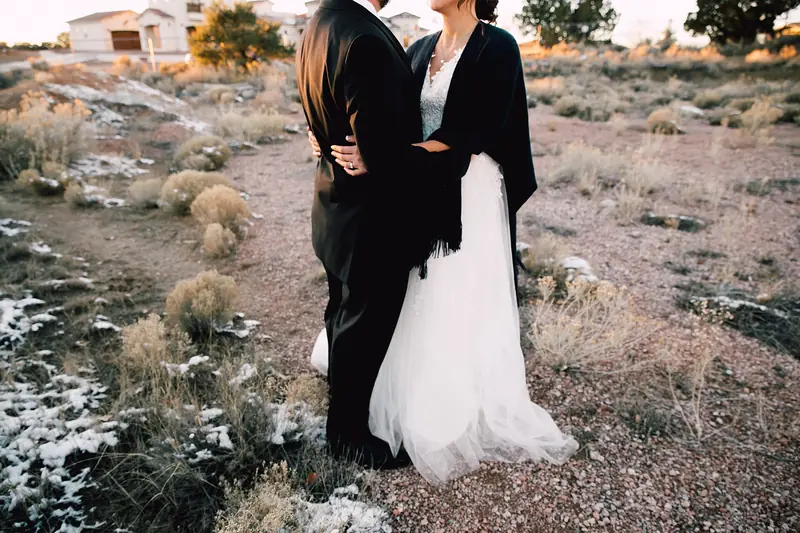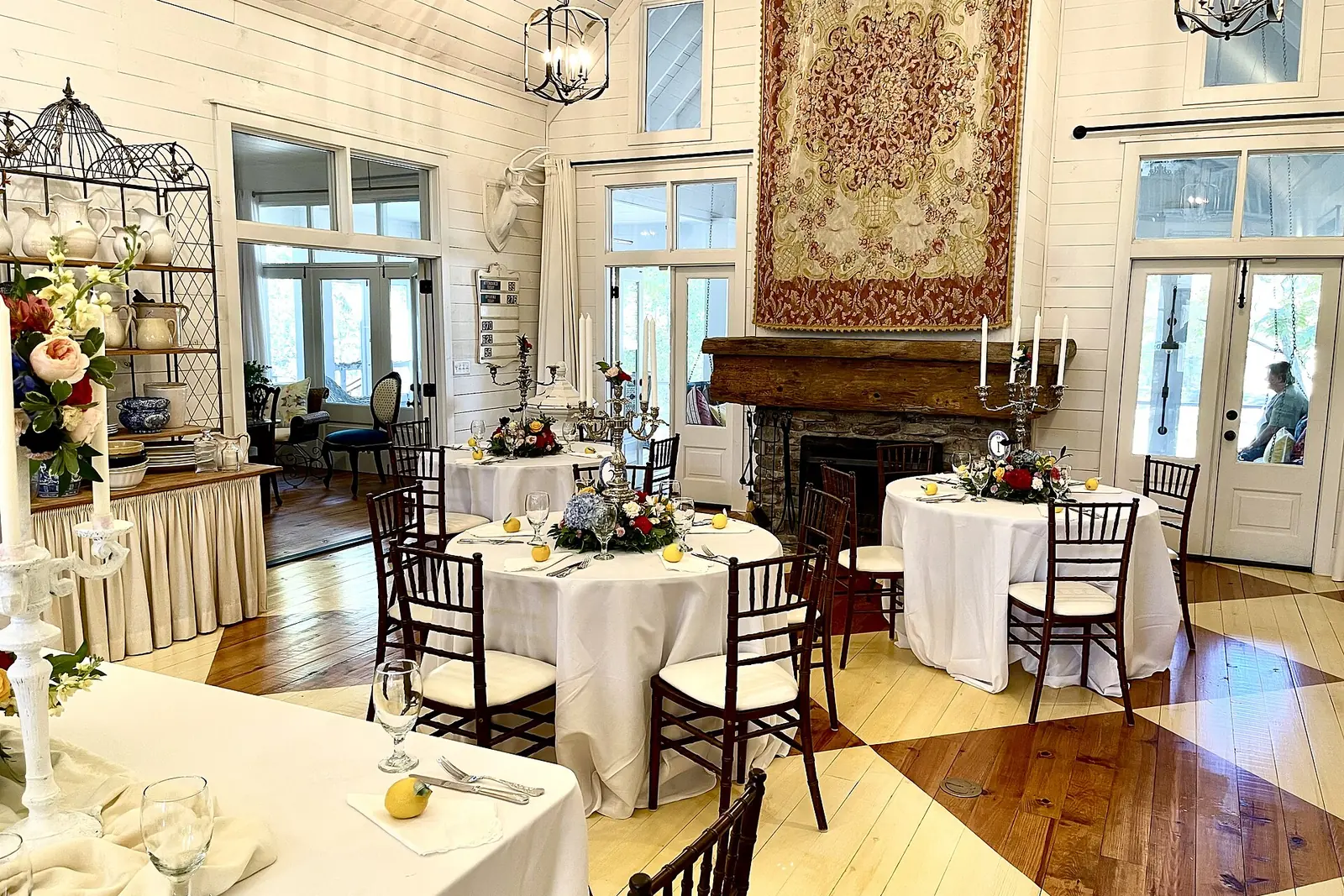
Small towns have a way of producing venues with real character: brick walls, high ceilings, big windows and a main street right outside the door. The Venue on Main is the kind of Gila Valley wedding venue that invites a styled shoot, where a team of local vendors gets together to show what the space can become. Whether you're a photographer organizing your first collaboration or a couple curious about what those polished venue photos actually are, this guide walks through how a good styled shoot comes together. As always, check current availability, rental terms and rules directly with the venue.
What a styled shoot is (and isn't)
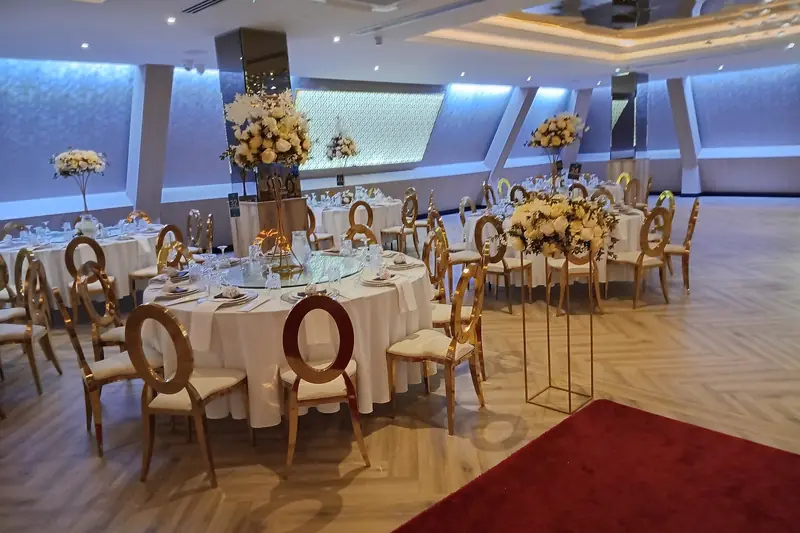
A styled shoot is a staged, wedding-style photo session built around a design concept. Florists, planners, stationers, rental companies, hair and makeup artists and photographers each contribute their work, and models stand in for the couple. The goal is to create portfolio images, show off a venue and try ideas that a real client may not have asked for yet.
It is not a real wedding, and the best collaborations are open about that. Label images as a styled shoot when sharing or submitting them, and credit every vendor. Couples browsing venues should treat styled photos as inspiration and also ask to see real events in the space.
Why small-town venues are great for styled shoots
In the Gila Valley, vendors often know each other personally, which makes collaboration easier. A venue on a small-town main street can offer a mix of settings within a few steps: an interior for the tablescape, a street or storefront for portraits, and wide open valley views and mountains a short drive away. Places like this also tend to be more flexible about scheduling a weekday shoot than busy big-city venues.
If you're also looking at the area for a real wedding, our guide to a Safford, Arizona wedding covers the bigger picture of planning a small-town celebration in the valley.
Planning a styled shoot at The Venue on Main
1. Start with a concept, not a Pinterest board
Write one sentence that describes the feeling you want. For example: "A warm, candlelit winter supper in an old brick hall." That sentence keeps every vendor's choices aligned. Then build a mood board with five to ten images that support it, a palette of three or four colors, and a short list of must-have details.
2. Choose a concept that fits the space
Walk the venue at the time you plan to shoot. Whether you are working at The Venue on Main or another hall in the valley, every room has its own personality. Note where the window light falls, which walls have texture, and what can't be moved. A rustic concept fights a sleek modern room; a minimal concept can look empty in a large hall. Let the architecture make some decisions for you.
3. Build a small, committed team
A focused team of five to eight vendors is easier to coordinate than fifteen. A typical lineup:
- Photographer (and optionally a videographer)
- Planner or designer who keeps the concept on track
- Florist
- Rentals for tables, linens, chairs and tableware
- Stationer for an invitation suite and table signage
- Hair and makeup artist
- Dress or suit shop, and optionally a cake or dessert maker
4. Put the agreement in writing
Before anyone buys a single stem, agree on who covers which costs, when images will be delivered, how they can be used, where they may be submitted for publication, and how everyone will be credited. A one-page shared document is enough, but have one.
A sample styled shoot schedule
Most shoots fit into an afternoon. Here's a framework you can adapt:
| Time from start | What happens |
|---|---|
| 0:00 | Vendors arrive; rentals and florals load in |
| 0:15 | Hair and makeup begin for models |
| 0:30 to 1:30 | Tablescape and ceremony setup; photographer shoots details as they finish |
| 1:30 to 2:15 | Stationery flat lays, rings, florals and detail photos |
| 2:15 to 3:30 | Models photographed in the space, then on the street and outside |
| 3:30 to 4:00 | Golden hour portraits if timing allows |
| 4:00 to 4:45 | Teardown and cleanup |
Work backward from sunset if you want outdoor portraits at the end. Our golden hour photography guide can help you find the right start time.
The shot list
A styled shoot is mainly for portfolios, so make sure every vendor gets images that show their work clearly. Share this list with the photographer ahead of time.
- Wide shots of the full room setup from at least two angles
- Tablescape straight on, at an angle and from above
- Close-ups of florals, place settings and napkin details
- Invitation suite flat lay with ring and small florals
- Cake or dessert in the space and in detail
- Hair and makeup close-ups in soft window light
- Dress and suit details: back, fabric, accessories
- Couple portraits inside the venue and outside on the street
- One or two vertical images of every setup, for social and print
- Exterior shots of the venue itself
Tips for photographing a small venue
- Turn off mixed lighting. Overhead fluorescent or warm bulbs mixed with daylight produce muddy color. Use window light and add a single flash or LED that matches it.
- Clear the edges of the frame. Exit signs, outlets and stacked chairs show up in wide shots. Move what you can and plan angles around what you can't.
- Use the street. Old storefronts, painted walls and a quiet main street at golden hour make portraits that tell you exactly where you are.
- Shoot the space empty. Before anything is set up, take clean photos of the room. The venue will appreciate them and they make a nice before-and-after.
After the shoot
Deliver images within the agreed timeline, send each vendor a selection that features their work, and coordinate before anyone submits to a publication so the team isn't competing. Tag and credit consistently. A well-run styled shoot often leads to referrals among the vendors involved, which in a small community matters more than any single post.
If you're a photographer building your business through collaborations like this, you might also like our post on learning wedding photography online. And couples dreaming about a Gila Valley celebration can browse more wedding guides for the region.
Questions, answered
What is a styled shoot?
A styled shoot is a planned photo session where vendors collaborate on a wedding-style concept, usually with models, to create portfolio images and show what a venue or design can look like. It is not a real wedding, and the images should be presented that way.
Who pays for a styled shoot?
Typically each vendor contributes their own time and products in exchange for images, and costs like rentals or models are agreed in advance. Put the agreement in writing, including who gets image rights and how vendors will be credited.
Can couples use a styled shoot to choose a venue?
Styled images are useful for seeing a venue's potential, but they show an idealized setup. Ask to see real weddings at the venue too, and tour it at the time of day your event would take place.
How long does a styled shoot take?
Most run three to five hours on site, including setup and teardown. Plan the schedule around the best light in the space and allow extra time for florals and table design.
First published in Apr 2018 and fully rewritten and updated for 2026. Details like permits, fees and hours change — confirm them with the venue or land manager before you go.