It is one of the first questions couples ask, and one of the hardest to answer in a sentence: how much does wedding photography cost? The honest answer is that it depends on where you live, how many hours you need, who you hire and what you want to hold in your hands afterward. What we can do is lay out the typical ranges couples commonly see in 2026, explain what moves the number up or down, and give you a calculator to estimate your own budget. Treat everything here as a starting point, then compare real quotes from photographers you love.
Typical wedding photographer prices in 2026
Prices vary enormously across the United States. Big coastal cities and resort destinations tend to run higher; smaller towns and newer photographers tend to run lower. With that caveat, here are rough ranges couples commonly encounter for wedding-day coverage.
| Type of coverage | Roughly what couples commonly see |
|---|---|
| Elopement or courthouse, 1 to 2 hours | About $500 to $2,500 |
| Small wedding, 4 to 6 hours | About $1,800 to $4,000 |
| Full day, 8 hours, one photographer | About $3,000 to $6,000 |
| Full day with second shooter and album | About $4,500 to $8,000 |
| High-demand or luxury photographers | $8,000 to well into five figures |
These are broad, hedged ranges based on general market patterns, not quotes. Your local market might sit higher or lower, and individual photographers price for their own experience, demand and business costs. The point of the table is to give you a realistic frame before you start reaching out.
How much does wedding photography cost, and why: what drives the price
Hours of coverage
The biggest single factor. A ceremony and portraits might take two hours; full coverage from getting ready through the exit can run nine or ten. Many photographers have a minimum on Saturdays in peak season.
Experience and demand
Photographers who have shot hundreds of weddings, have a distinctive style and book out a year in advance charge accordingly. Newer photographers may offer lower rates while they build a portfolio, which can be a real opportunity if their work matches your taste, though experience with tricky light and fast-moving timelines is worth something.
Location and travel
Destination weddings, remote venues and multi-day events usually add travel costs, lodging and sometimes permit fees. For desert and national park ceremonies, permits can be a separate line item.
Second shooter
A second photographer adds coverage of both sides getting ready, more angles during the ceremony and candids during formals. It typically adds a few hundred to over a thousand dollars.
Products
Albums, parent albums, prints and wall art can add significantly to the total. Some packages include an album; others treat it as an upgrade.
Season and day of the week
Saturdays in peak season are in highest demand. Fridays, Sundays, weekdays and off-season dates often come with lower minimums or better pricing.
Estimate your own budget
Use the calculator below to get a ballpark figure. Choose your coverage, add any extras, and adjust for your area. It is a planning tool, not a quote, but it is a useful way to see how each choice affects the total.
Wedding photography cost calculator
Typical price ranges by region, hours and add-ons.
Where the money actually goes
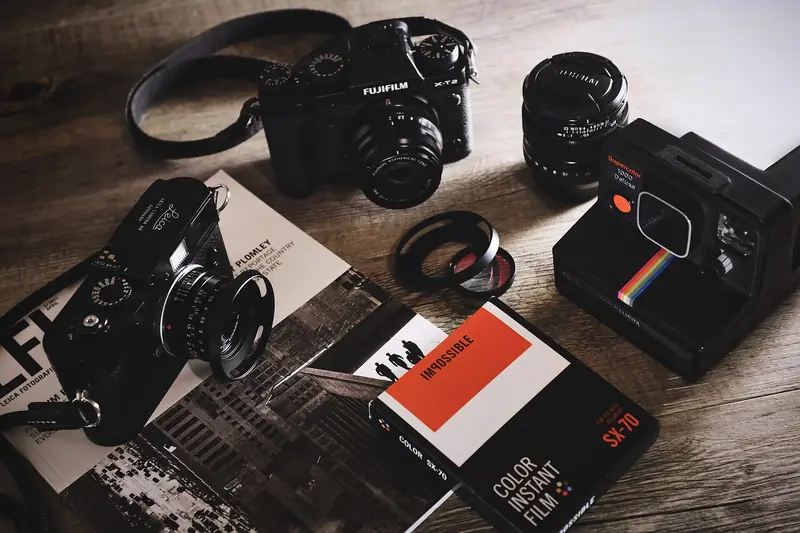
When people ask “how much does wedding photography cost?” they are often really asking why. A common reaction to a wedding photography quote is, "That much for one day?" It helps to know what sits behind it. For a full wedding, the day itself is often only a fraction of the hours a photographer puts in. There are inquiries and consultations, contracts and planning calls, an engagement session, timeline help and travel. After the wedding comes backing up files, culling thousands of frames, editing, building and delivering the gallery, and designing an album.
Then there are business costs: cameras and lenses that need replacing, backup gear, computers, storage, editing software, gallery hosting, insurance, marketing, accounting and taxes. Most wedding photographers are small businesses, and the fee covers all of that.
Ways to save without regretting it
If the numbers feel high, there are smart ways to bring them down.
- Trim hours, not quality. Skip the late reception dancing or start coverage later. Our wedding day photography timeline shows how to fit the essentials into fewer hours.
- Consider a first look. Doing portraits and formals before the ceremony can shorten the day considerably.
- Choose an off-peak date. A Friday or Sunday, or a date outside peak season, often costs less.
- Skip the album now. Many photographers let you order an album later.
- Elope or keep it small. A short elopement session can be a fraction of the cost of full-day coverage.
What we would not cut: a written contract, a photographer whose full galleries you have seen, and backup plans for gear and emergencies. Those are what protect your photos.
Red flags at the low end
A low price is not automatically a problem, but watch for these warning signs:
- No written contract
- Will not show full galleries, only highlights
- No backup camera or dual card slots
- No clear delivery timeline
- No answer about what happens if they are sick
- Unclear about usage rights or how you will receive your photos
Our guide on how to find your wedding photographer has a full list of questions to ask before booking.
Budgeting for the whole picture
Asking “how much does wedding photography cost?” is only half the budget question. When you set a photography budget, include the extras that tend to sneak up: an engagement session if it is not included, travel fees, permit costs at parks or public lands, meals for your photographer during a long day, an album, and any prints for family. A buffer of about ten percent above your estimate is a comfortable cushion.
Wedding photography is an investment you look back on for decades. Knowing what wedding photographer prices typically look like, what drives them and where you can be flexible helps you spend wisely. For more planning help, visit our weddings page or explore all our planning tools.
Questions, answered
What percentage of a wedding budget goes to photography?
There is no fixed rule, but many planning guides suggest setting aside something in the range of 10 to 15 percent. Couples who care most about photos often spend more and trim elsewhere.
Why do wedding photographers charge so much for one day?
The wedding day is only part of the job. Planning calls, travel, culling and editing, gallery delivery, equipment, insurance, software and taxes all come out of the fee.
Is it cheaper to book a weekday or off-season wedding?
Often, yes. Many photographers offer lower rates or shorter minimums on weekdays and in their slower months. Ask directly; it is a common request.
Should we tip our wedding photographer?
Tipping is appreciated but not expected for business owners in most cases. A thoughtful review and referrals are often valued just as much. Tipping associates or second shooters is more common.