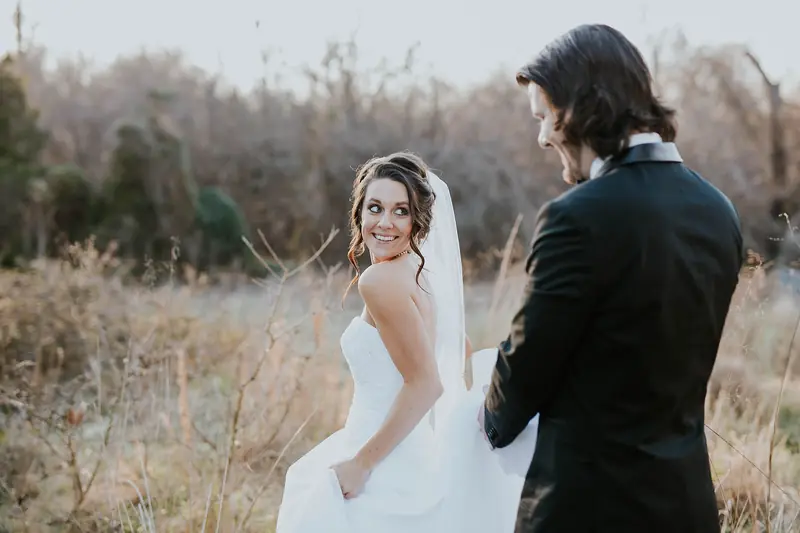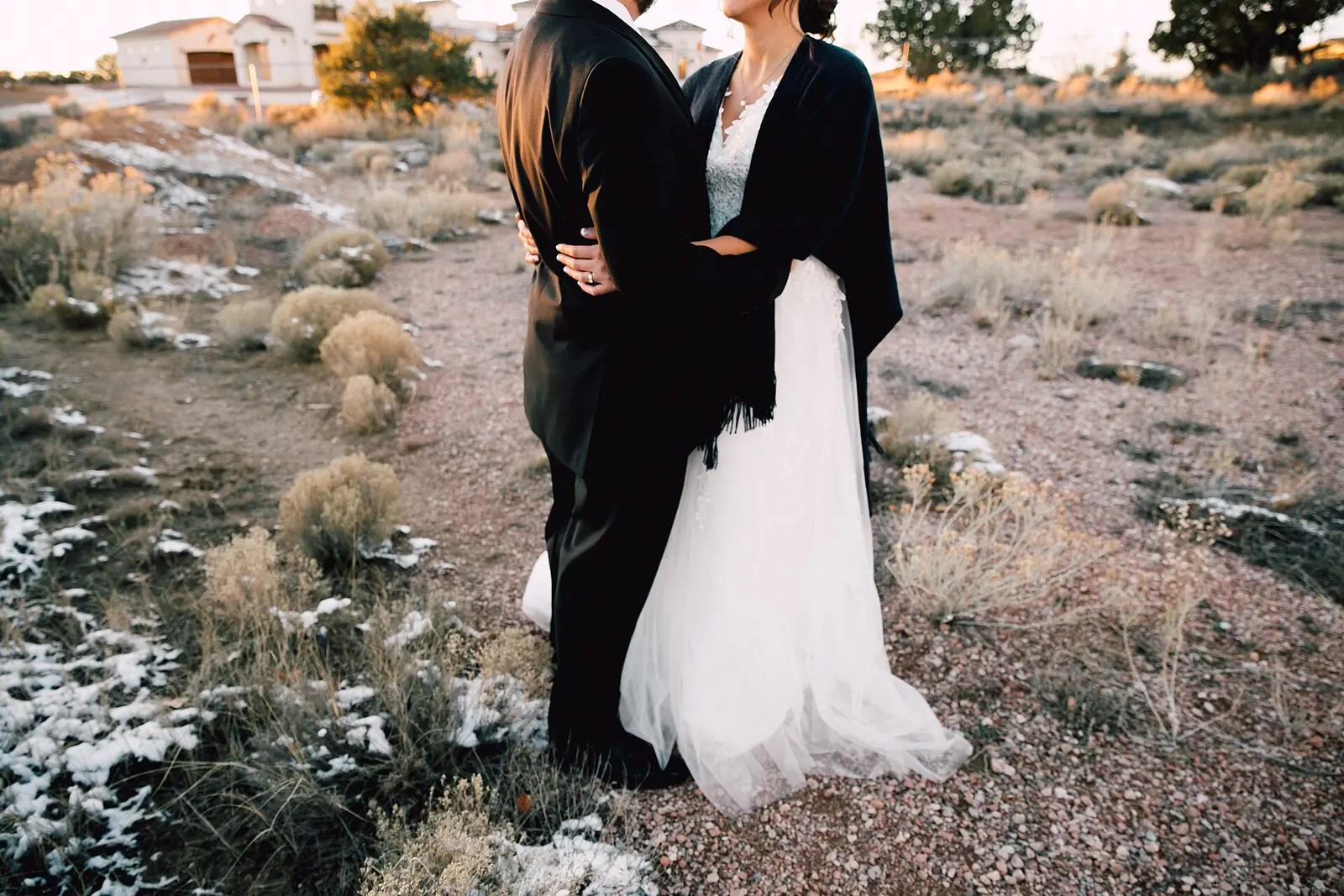
An Arizona desert elopement can be wildly beautiful: a short ceremony among saguaros, a walk through red rock, a sunset that seems to go on forever. It can also turn into a long, hot, logistically confusing day if you skip the planning. The difference usually comes down to three questions, asked early: who manages the land, what will the weather and light be doing, and what does the state need from you to make it legal.
This guide covers all three, along with how to choose a location and build a simple schedule. It is general guidance, not legal advice, so please confirm the specifics with the agencies and offices involved.
Choosing the right desert for your Arizona desert elopement
Arizona is not one desert. The state spans several distinct landscapes, and the one you choose shapes your photos, your season and your permits.
The Sonoran Desert (Phoenix, Tucson and surroundings)
This is the saguaro desert. Tall, arm-raised cactus, palo verde, ocotillo and rocky hills are the classic Arizona look, and they grow naturally only in this region. Tucson's mountain parks, the areas east of Phoenix around the Superstition Mountains, and a variety of regional parks offer this landscape. For a desert wedding with a garden setting, our Arizona-Sonora Desert Museum wedding guide is a good starting point.
Red rock country (Sedona and nearby)
Sedona's red sandstone formations are some of the most photographed landscapes in the Southwest. At a higher elevation than Phoenix, the area is cooler and greener, with juniper and pine. Much of the land is national forest, and ceremony permits are commonly required, with certain popular sites restricted or off limits.
Canyon and lake country (Page and the Colorado Plateau)
Northern Arizona offers slot canyons, sweeping overlooks and the deep blue of Lake Powell against orange stone. Our Lake Powell wedding guide covers that area in depth. Many of the iconic spots here fall under national recreation areas, tribal land or both.
Permits: start by finding the land manager
Every piece of land has someone in charge of it, and that is who you ask for permission. Common possibilities include:
| Land manager | Examples | What to ask about |
|---|---|---|
| National Park Service | National parks, monuments, recreation areas | Special use permit for ceremonies; commercial photography rules |
| US Forest Service | National forests around Sedona, Flagstaff and Phoenix | Special use authorization; site restrictions; group size |
| Bureau of Land Management | Open public land across the state | Whether your use needs a permit; vehicle access |
| Arizona State Parks | State parks across the state | Event or ceremony reservations; photography rules |
| City and county parks | Mountain preserves, regional parks | Ramada or site reservations; ceremony permits |
| Tribal nations | Navajo Nation, other tribal lands | Tribal permits; guide requirements; restricted areas |
| Private owners | Ranches, venues, rentals | Written permission; insurance; vendor rules |
Fees, group-size limits and lead times vary a lot, and some agencies ask for applications weeks ahead. Ask about group size explicitly; many permits are simpler for very small parties. Also ask about rules for drones, chairs, arches, flower petals and amplified music, because many public lands restrict some or all of these.
Making it legal in Arizona
An elopement is still a marriage, so the paperwork matters. Arizona marriage licenses are issued through the Clerk of the Superior Court, and historically there has been no waiting period and no blood test. A license issued in Arizona is generally valid for ceremonies anywhere in the state for a limited period, and Arizona has generally required a qualified officiant and two adult witnesses.
Your photographer can sometimes act as a witness, but ask in advance; some prefer not to. Confirm current requirements, fees and ID rules directly with the clerk, and check on how the signed license gets returned after the ceremony.
Seasons, heat and the monsoon
Desert weather is the part out-of-state couples underestimate most.
- Low desert (Phoenix, Tucson): fall through spring is the comfortable window. Summer afternoons routinely get dangerously hot.
- Higher elevations (Sedona, Flagstaff, Page): spring and fall are lovely; winter can bring cold and even snow; summer is warmer but more manageable.
- Monsoon (roughly midsummer to early fall): dramatic clouds, sudden storms, lightning and flash floods. Never stay in a wash or slot canyon when storms are possible.
- Spring wind: can be strong and dusty. Pin veils, secure florals and bring a backup plan for hair.
- At least a liter of water per person, more in warm months
- Sun protection and a shade umbrella
- Comfortable shoes for the walk in, plus ceremony shoes if wanted
- A warm layer for after sunset
- Small first aid kit and tweezers for cactus spines
- Printed permit and marriage license
- Offline maps and a full tank of gas
Timing your day around the light
For most desert elopements, the ceremony should land in the last hour before sunset. The light is warm, the temperature is falling, and you will have time for portraits afterward while the sky changes color. Sunrise is a wonderful alternative, especially in summer or at popular spots, because you may have the place nearly to yourselves.
A simple sunset elopement might look like this:
- Two hours before sunset: arrive, park, walk to the spot, change if needed
- 90 minutes before: a few relaxed portraits while the light is still soft and clean
- One hour before: ceremony, signing the license, hugs with any guests
- 40 minutes before: golden hour portraits
- Sunset and after: silhouettes, a toast, blue hour photos
- After dark: walk out with headlamps, then dinner
Our golden hour photography guide explains how mountains and canyon walls can make the sun disappear earlier than the official sunset time.
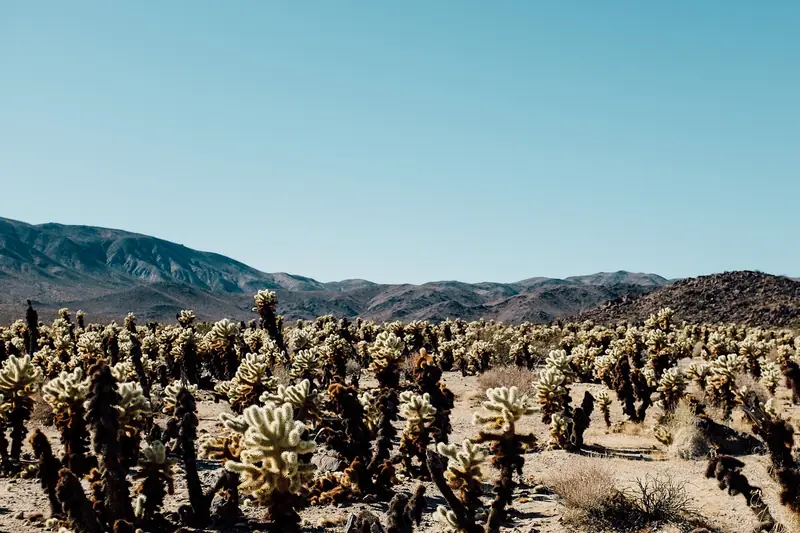
Leave the desert as you found it
Desert ecosystems recover slowly. Footprints in cryptobiotic soil, the dark crust found in many arid areas, can take years to heal. Stay on durable surfaces, skip loose petals and confetti, never climb on saguaros or fragile formations, and pack out everything. Many land managers require exactly this anyway, and it keeps these places beautiful for the next couple.
Making it feel like a celebration
Eloping does not mean skipping everything that makes a wedding feel like a wedding. Write your own vows. Bring a small speaker for a first dance at the trailhead if rules allow. Pack a picnic or book a table somewhere you love. Plan a send-off with sparklers at your rental later that night. And if you want to celebrate with family afterward, a casual dinner a few weeks later can be just as meaningful as a full reception.
An Arizona desert elopement rewards couples who plan the practical parts carefully and then let the rest be spontaneous. Do the permit homework, respect the heat, chase the light, and the desert will do the rest.
Questions, answered
Do you need a permit to elope in Arizona?
It depends on who manages the land. National parks, national forests and many state and city parks require a permit or special use authorization for ceremonies, and some also have rules for commercial photography. Private venues and private land need the owner's permission instead.
What is the best month for an Arizona desert elopement?
In the low desert around Phoenix and Tucson, October through April is usually the most comfortable. Higher-elevation areas like Sedona and northern Arizona are often pleasant in late spring and fall, while summer brings extreme heat at low elevations and monsoon storms statewide.
Do we need witnesses to elope in Arizona?
Arizona marriage licenses have generally required an officiant and two adult witnesses. Requirements can change, so confirm the current rules with the Clerk of the Superior Court before your date.
Can we elope at Horseshoe Bend or Monument Valley?
Both are possible in principle but are managed by specific agencies or tribal authorities with their own rules. Monument Valley is on the Navajo Nation, which sets its own permit requirements. Contact the managing authority well in advance.