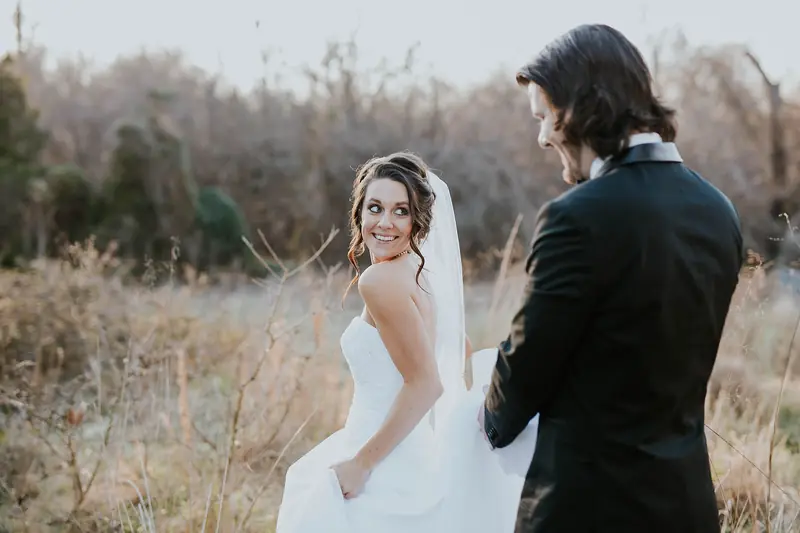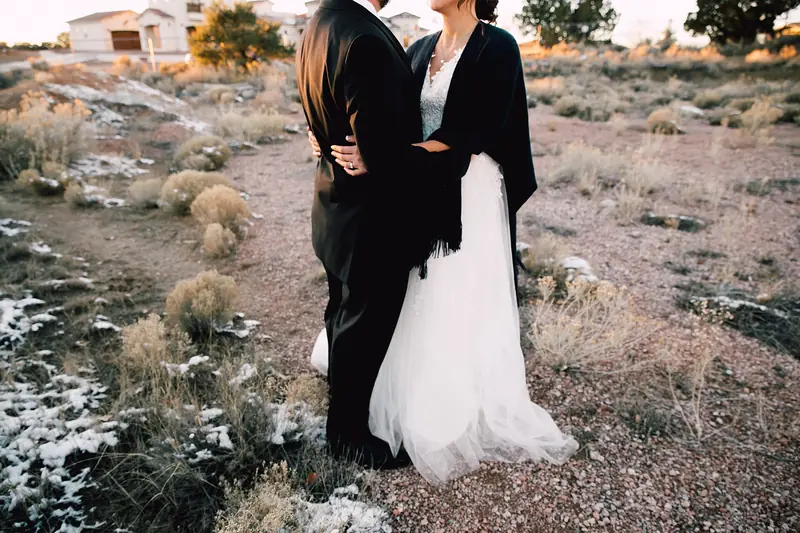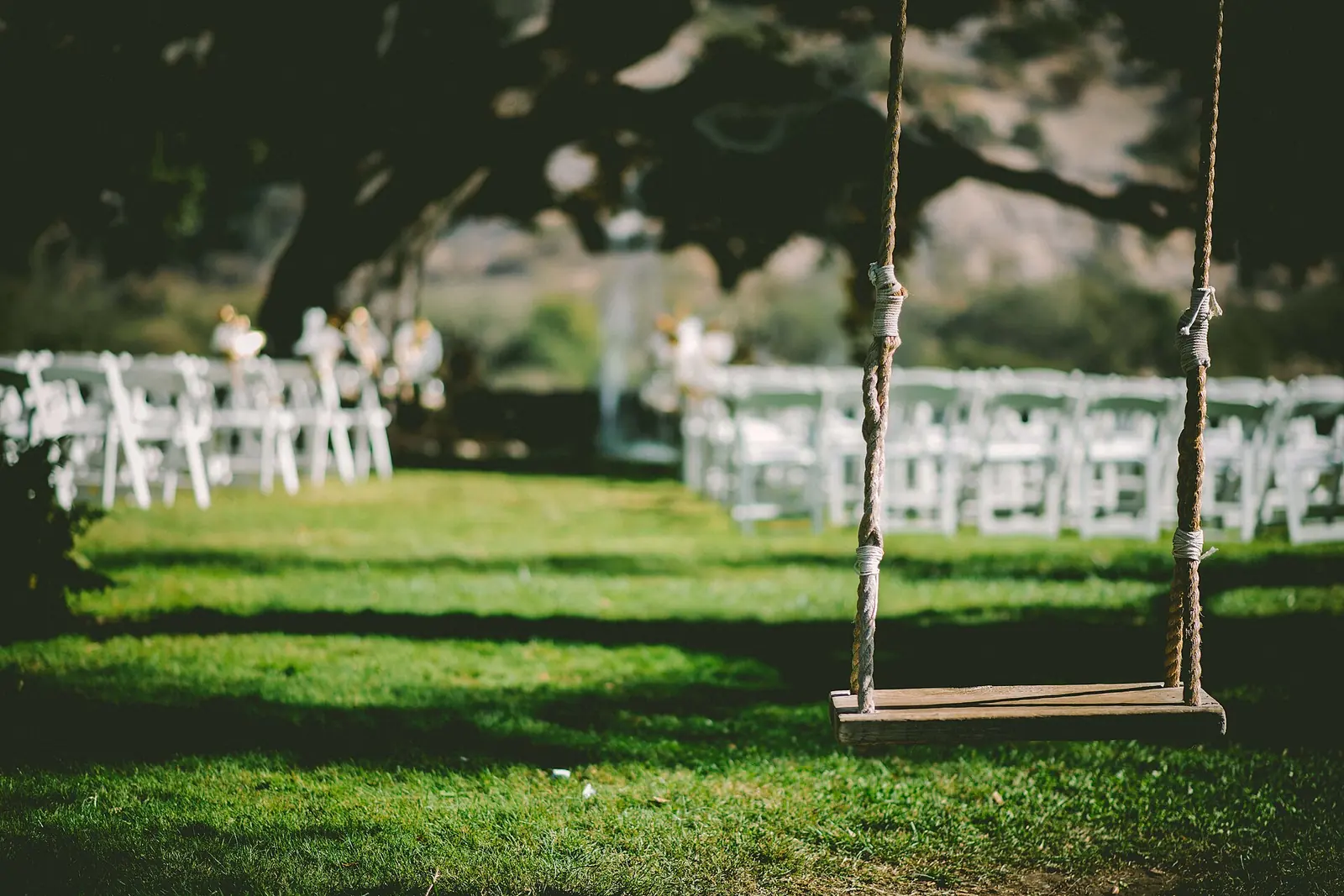
Estate venues in the East Valley have a particular charm: wide lawns, mature trees and the feeling of a private garden party set against Arizona sky. If you are considering a Gather Estate wedding in Mesa, this guide walks through what matters most for planning and photography, from the season you choose to the minute the sun drops behind the trees. We'll stay focused on durable, practical advice, so please confirm current details like capacity, pricing and policies directly with the venue.
Why couples look at estate venues in Mesa
A lot of Phoenix-area venues are either resort ballrooms or open desert. An estate-style property sits between the two: it feels green and sheltered, with structure and shade, but still opens up to the big desert sunsets the region is known for. For photographers, that combination is generous. Trees give you open shade at midday, lawns give clean backgrounds for portraits, and longer sightlines make room for wide, editorial frames of the whole celebration.
It also tends to suit couples who want a relaxed, family-style feel. Long farm tables, string lights and a cocktail hour that drifts across the grounds photograph beautifully and feel natural to guests.
Picking your season at the Gather Estate
Weather drives almost every decision for an outdoor Arizona wedding, so start here.
| Season | What to expect | Photo notes |
|---|---|---|
| Late Oct to Nov | Warm days, comfortable evenings | Popular dates book early; lovely low-angle light |
| Dec to Feb | Mild days, cool to chilly nights | Early sunsets; plan heaters and a wrap for portraits |
| Mar to Apr | Spring bloom, rising temps | Lush greens; one of the most photogenic stretches |
| May to Sep | Very hot; monsoon storms in mid to late summer | Evening-only outdoor time; dramatic storm skies possible |
Spring is often the sweet spot for estate venues because lawns and trees look their fullest. Fall gives you a similar feel with a bit more warmth. Winter is underrated: dates may be easier to get, and the softer, earlier sunset makes for a cozy, candlelit reception.
Timing your day around golden hour
The single biggest photography decision you will make is your ceremony start time. Outdoor ceremonies in full afternoon sun mean squinting guests, harsh shadows under eyes, and hot vendors. Ceremonies that end about an hour before sunset give you the reverse: soft, flattering light for family photos and a short couple session as the sky warms up.
Use the calculator below to look up sunset and golden hour for your exact date in the Phoenix area, then work backward.
Golden hour calculator
Golden hour, sunset and blue hour times for any date.
A simple rule of thumb that works for most estate weddings:
- Find sunset for your date.
- Plan for a 20 to 30 minute couple session ending at, or just after, sunset.
- Put family formals right after the ceremony, usually 20 to 30 minutes.
- Start the ceremony so it ends before family formals begin, which typically lands 90 minutes to two hours before sunset.
If you want to see a whole-day version of this, our wedding photography timeline guide builds a full schedule from your ceremony time.
Where the best photos usually happen
Every property is different, and your photographer should walk the grounds before the day. Still, estate venues tend to have a few reliable types of spots.
Tree-lined paths and allées
Rows of trees create natural leading lines that draw the eye toward the couple. They are ideal for walking shots and for the wedding party, especially in the last hour of light when the sun comes through the trunks sideways.
Open lawn with sky behind
Look for a spot where you can shoot slightly upward, putting the couple against sky rather than buildings or parked cars. At sunset this becomes a silhouette or rim-light location.
Architectural details
Doors, porches, barn walls or brick give a backdrop with texture for getting-ready portraits, detail shots of the rings and invitation suite, and quieter moments.
The reception from above
If there is any elevated vantage point, such as a balcony or stairs, ask your photographer to grab a wide shot of the tables before guests are seated and again once the string lights come on.
Planning details that help your photos
- Face the ceremony away from the sun. Ask the venue which direction the ceremony faces. Ideally the sun sits behind the guests or off to one side, not in the couple's eyes.
- Shade for getting ready. Choose a getting-ready room with a large window and some open floor space. Clutter-free rooms save editing time and make detail photos easier.
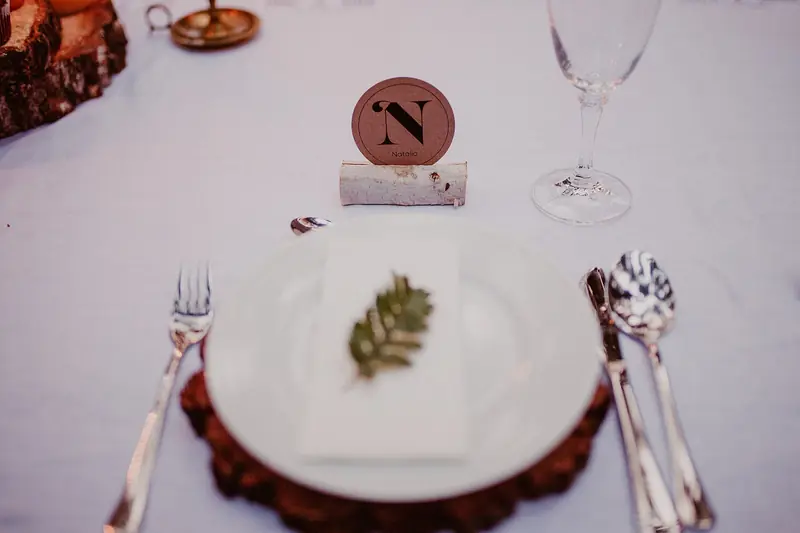
- Light the reception generously. Once the sun is down, the sky darkens quickly. String lights, candles and uplighting make the difference between moody and murky.
- Plan your exit. Estate lawns make lovely backdrops for a send-off. Ask what the venue allows (sparklers, petals, bubbles), then see our guide to unique wedding exits for ideas.
- Hydration and heat. Even in spring, an hour of portraits in the sun is tiring. Keep water, blotting papers and a fan with your coordinator.
Questions to ask on your Gather Estate tour
Bring this list and write down the answers. Then get the important ones in writing.
- What is the backup plan for wind, rain or extreme heat?
- Which direction does the ceremony site face, and where is the sun at our ceremony time?
- Are there areas of the property that are off-limits for photos?
- When can vendors arrive, and when must everything be cleared?
- What tables, chairs, lighting and décor are included?
- Are there rules about sparklers, confetti, candles or amplified music?
- Is there a required vendor list, or can we bring our own?
- Where do guests park, and how far is it from the ceremony?
Finding the right photographer for an estate wedding
Look for someone who has a portfolio with both bright outdoor work and well-lit evening receptions, since estate weddings ask for both. Ask them how they would handle midday sun and what they need from your timeline. If you're just starting your search, our post on how to find your wedding photographer covers the questions worth asking.
A Gather Estate wedding rewards thoughtful timing more than almost anything else. Choose your season, set your ceremony around the light, and leave room in the schedule to simply wander the grounds together. Those unhurried twenty minutes tend to become the favorite photos of the day.
Questions, answered
What is the best time of year for an outdoor wedding in Mesa, Arizona?
Late October through April is the most comfortable stretch for outdoor ceremonies in the Phoenix area. Summer afternoons are routinely very hot, so summer couples usually plan evening ceremonies and indoor or shaded receptions.
Does Arizona change its clocks for daylight saving time?
Most of Arizona, including Mesa, does not observe daylight saving time, so clock time stays on Mountain Standard Time all year. That makes sunset noticeably earlier in summer than in neighboring states, which matters when you set your ceremony time.
How long before sunset should our ceremony start?
For a typical 20 to 30 minute ceremony, starting roughly 90 minutes to two hours before sunset leaves time for family formals and a short couple session in the softest light. Use the golden hour calculator on this page to check your date.
What should we confirm on a venue tour?
Ask about the rain or wind backup plan, vendor arrival and load-in times, where photos are and aren't allowed, end time and cleanup rules, and what is included in the rental. Get every answer in your contract.
First published in Mar 2018 and fully rewritten and updated for 2026. Details like permits, fees and hours change — confirm them with the venue or land manager before you go.